
- Welcome Guest
- Sign In
- Welcome Guest
- Sign In

More online fraud, recession-resistant budgets, and continued talent shortages can be expected in 2023, according to cybersecurity pros who spoke with TechNewsWorld.

Distributed denial-of-service attacks continued to rise in November. A prime target was the United States, with 1,543 attacks. While "as a service" offerings have made ransomware a low-effort, low-risk option for generating criminal gains.

Ask any security pro what's the most effective protection against hackers and scammers, and they all point to one tool: multifactor authentication. But lately, bad actors have focused on hacking MFA, making its methods susceptible to interception.
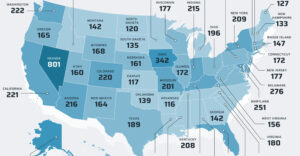
A new analysis of data from the FBI's Internet Crime Complaint Center reveals that Nevada has more cybercrime victims than any state in the union by a large margin.

Most contractors the Department of Defense hired in the last five years failed to meet the required minimum cybersecurity standards, posing a significant risk to U.S. national security.

Defenders of software supply chains have a new attack vector to worry about: machine learning models.

Although small businesses lack the resources large enterprises enjoy to defend themselves online, SMBs can avoid becoming cybercrime victims by following these proven, safe computing practices.

Streaming video content from non-mainstream providers might make you an unwitting target of content piracy. If you get a bargain pricing offer, you risk becoming the victim of scammers and hackers, losing personal data, and having your financial assets stolen.

Compromised credentials provide an easy way for threat actors to get their hands on valuable data possessed by governments. Phishing attacks on civil servants jumped 30% from 2020 to 2021, with one out of every eight workers exposed to phishing threats during the period.
 Loading ...